
African research is not only crucial for the continent itself but also essential for the advancement of global knowledge. Africa continent possesses unique ecosystems, cultures, resources, and development challenges that make it a vital laboratory for innovation and discovery. As the world becomes increasingly interconnected, solutions developed in Africa are becoming relevant far beyond its borders. Africa represents one of the last great frontiers of scientific discovery, where local knowledge and modern science intersect to produce insights that benefit humanity as a whole. The continent is structured into diverse regions, each with its own peculiarities and research strengths that contribute uniquely to global understanding.
West Africa – Food Systems and Population Dynamics
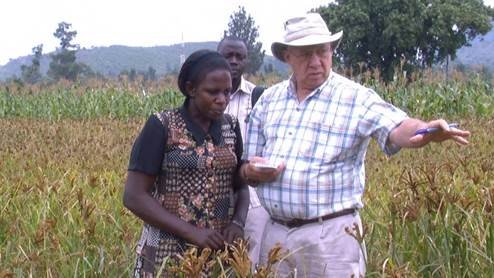
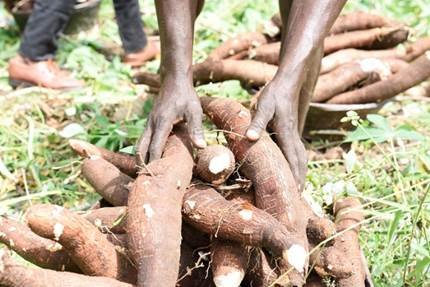
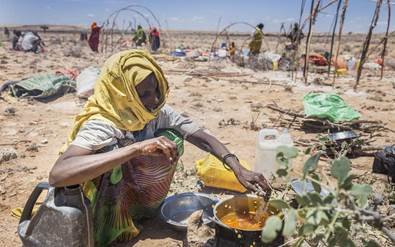
West Africa is one of the fastest-growing regions in the world in terms of population. Research conducted here provides critical insights into food security, climate-resilient agriculture, urbanization, and public health. Countries such as Nigeria and Ghana are important centers for agricultural and social science research because of their large populations and diverse ecosystems. Studies from West Africa can help the world understand how to feed rapidly growing populations, how cities expand in developing regions, and how communities adapt to climate change. For instance, drought-resistant crops developed in West Africa can be applied in Asia and Latin America, while urban planning models from African megacities can inform the design of future cities globally.
East Africa: Climate and Environmental Systems
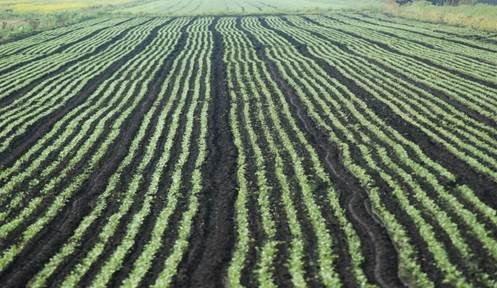
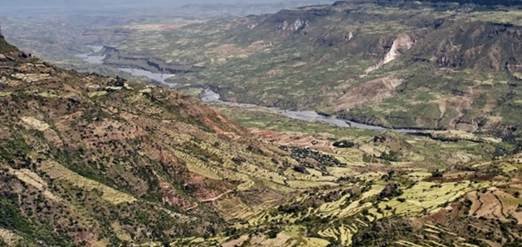
East Africa is one of the most environmentally sensitive regions on Earth, featuring mountains, savannahs, lakes, and rift valleys that are critical for understanding climate change. Countries such as Kenya and Ethiopia have become global centers for climate and ecological studies. Research from East Africa provides valuable insights into climate variability, drought patterns, and ecosystem adaptation. Lessons learned here can help the world prepare for global warming, water scarcity, and environmental degradation. In this sense, East Africa serves as a living laboratory for climate science.
Southern Africa: Energy and Mineral Innovation
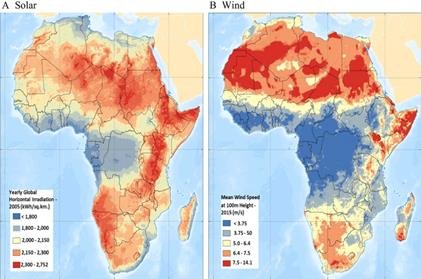
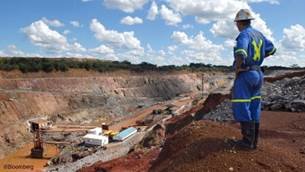
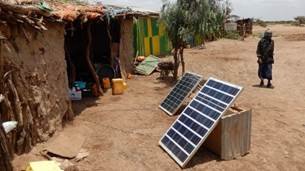
Southern Africa is rich in minerals and energy resources, making research from this region critical for the future of global industry and clean energy. Countries such as South Africa and Zambia contribute important research in mining technology, renewable energy, and industrial development. Southern African research supports global initiatives such as electric vehicle production, renewable energy deployment, and sustainable mining practices. For example, copper from Zambia is essential for global electrification, while renewable energy projects developed in the region advance the worldwide energy transition.

Central Africa: Biodiversity and Ecology
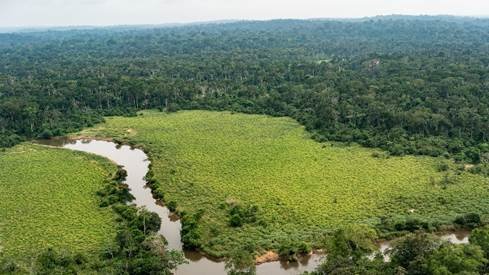
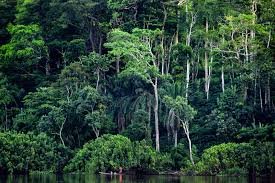
Central Africa contains one of the largest tropical forests in the world. Countries such as Democratic Republic of the Congo and Cameroon are critical for biodiversity research. Research from Central Africa is vital for protecting global biodiversity, discovering new medicines, and understanding complex ecosystems. The forests of Central Africa also play a key role in regulating the Earth’s climate, making research in this region crucial for the planet.
North Africa: Water and Civilization Studies
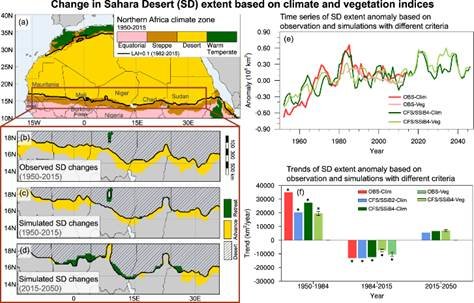
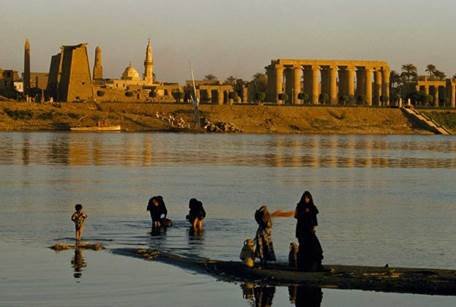
North Africa connects Africa to Europe and the Middle East. Countries such as Egypt and Morocco lead research in desert agriculture, water management, and the study of ancient civilizations. Research from North Africa informs global understanding of how to farm in arid regions, manage scarce water resources, and study the evolution of human societies. As climate change expands desert regions worldwide, lessons from North Africa are becoming increasingly valuable.
Conclusion
African research is foundational to addressing some of the world’s most pressing challenges, including climate change, food security, energy transition, biodiversity conservation, and sustainable development. Each region of the continent offers distinct insights shaped by its unique conditions and experiences. Collectively, these contributions position Africa not at the periphery, but at the Centre of global scientific advancement.
The world cannot fully understand its future without engaging deeply with Africa’s knowledge systems and research innovations.